

Choosing the Right Cake Topper
A topper is a cake decoration that can be used to mark special occasions, such as birthdays or weddings. They are available in various sizes and materials. Selecting the right one will help you create the desired effect on your cake.
Toppers are made from foam, latex, fibers, or feathers and typically range from 1 to 4 inches thick. Some also include graphite or gel to tackle issues with heat retention.
What is a topper?
A topper is a design that is placed on top of cakes. It can be used to give a touch of elegance or fun to the cake, and it can also be customized to fit the theme or event. Cake toppers are available in different designs and materials. Some are more attractive and some are more practical. Wedding toppers could contain rhinestones monograms while birthday cake toppers could have balloons or candles.
A hair topper is a type of hairpiece that is used to conceal thin or bald patches and create more full-looking hair. It's similar to half wigs but is smaller and designed to blend into the hairline. It is usually easier to maintain than a full-length one and can be worn in a variety of different styles.
Hats are another type of top. They are typically worn by women to hide their hair loss or baldness. They are also popular among people who have alopecia or other types of hair loss. They can be worn with any type of hairstyle, and are available in a variety of lengths and colors.
Topping toys are tiny figurines which can be added on top of a cake. They are usually made of acrylic and can be personalized with the couple's initials. These are an excellent choice for weddings as well as other formal events. They can also be used to decorate children's cakes.
How to measure for a topper?
Hair toppers are available in different sizes. Finding the right size requires accurate measurements. A topper too small could slip off and be uncomfortable. A topper too large may be heavy or awkward to fit comfortably. Talk to a professional who will take measurements of your head to ensure the most effective results.
A topper is composed of a base material and hair that is synthetic or human component. The base is often comprised of lace, silk or mono hair. This will ensure that the topper is comfortable and blends well into your hair's natural texture.
First, you'll require a measuring tape along with a pen and record book to take your head measurements. This is important, as the topper should be sized according to the area of hair thinning or loss. To get the right measurement, start at the front of your scalp just above your eyebrows and begin measuring from there to the back of your neck. Continue bunkbedsstore around your scalp, paying your attention on areas of hair loss or thinness.
Add the numbers for each region to determine your head size. This is your topper's size, and it will be a good idea to add a little bit to this number for the sake of security. The topper can be moved and adjusted as required, without feeling tight or loose.
Make sure to check the specifications of the manufacturer's head measurements since they could differ. Some manufacturers will offer a specific range of sizes for head that the topper will fit, while others may only provide only one size. If you are unsure of your exact head measurement, it's always recommended to go a bit larger than a bit smaller. This will allow for a more comfortable fitting and will prevent any future issues.
For those with mobility difficulties it could be better to have a professional do the measuring for you. Some conditions such as scarring alopecia and alopecia areata can make it difficult to accurately measure for a topper, and it is more common for these individuals to ask a hair replacement specialist for assistance.
What is the ideal size for tops?
The right size of a cake topper can make a cake look great. The size of the topper should be equal or slightly smaller than that of the top layer. It is also recommended to select a cake topper that compliments or matches the theme of the cake. A rustic or vintage cake could look better with a simple toppers, while a contemporary or modern cake would benefit from an elaborate topper.
Choosing the right topper can be a little tricky however, it's much easier than you might think. Many online retailers have various hair styles and colors that you can choose the one that is most suitable to your personal style. Some toppers are made with an amalgamation of human and synthetic hair while others are entirely made of natural hair. It's also possible to purchase a topper that is resistant to heat or made of special materials that resist frizz.
It's important to also consider the thickness and density of a mattress topper. Thick toppers offer more cushioning and support, and can reduce the pressure placed on the mattress. Toppers with low density are typically more soft, and can appear like a pillow more than a traditional mattress.
When selecting a top, you must also take into consideration the length. The majority of lengths of toppers fall into three categories: short, medium or long. Shorter topper lengths tend to look more authentic and longer ones tend to be more dramatic and are better suited for special occasions.
It's helpful to utilize an online tool, like the Hair Toppers Product Quiz, to get a better idea of what pieces would best suit your style and measurements. The test eliminates any guesswork in locating a piece that fits well and blends seamlessly into your natural hair. This will ensure that the topper complements your style and appears natural. It will also allow you to avoid buying a topper that is too big, which can cause your bio hair to appear too bulky or unnatural.
How do you select a topper
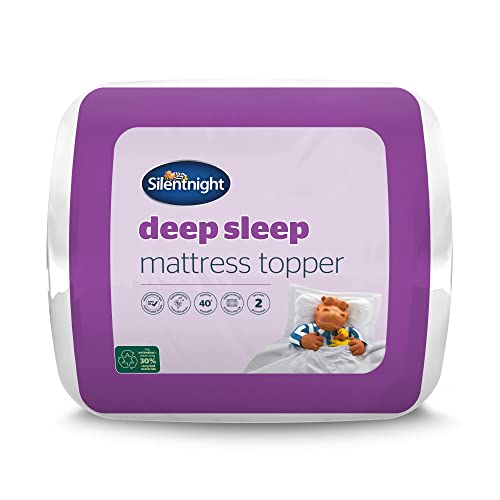
The material of the topper can have a significant impact on the feel. Memory foam is a comfortable and contouring material and responsive, while latex is abrasive and wool is breathable. Synthetic latex and polyester blends are also alternatives. They're cheaper and don’t produce odors like feathers. These toppers don't provide the same level of comfort as memory foam or latex and can be too hot for some people.
Toppers that are filled with feathers and down are an excellent option. Feathers come from ducks or geese and offer the traditional "sleeping-on-a-cloud" feel. To ensure that the materials used in toppers are ethically sourced and free of harmful chemicals, search for a mark such as OEKOTEX Standard 100 or RDS certification. However, feathers can flatten quickly and the quills may line up and reduce the overall loft. Down is more durable and it bounces back into shape with every use.
Many mattress toppers are padded with polyfoam, memory foam or cotton. These are an excellent option if you're allergic to feathers or latex. Memory foam can trap heat, causing you to overheat when sleeping. Many manufacturers have attempted to solve this issue by adding graphite or copper infusions into the foam, but these are only marginally effective.
The thickness of the topper is important. A three to four inch topper is best for heavier sleepers or those who are side sleepers, as it reduces sagging of the springs while supporting the back and neck. Thinner toppers are also ideal for those who prefer a soft, plush feel.
You should consider a mattress topper with additional features, like a removable cover or a cooling layer. This is beneficial if you have an uncomfortable sleeping space or suffer from chronic pain due to aches and allergies. Other beneficial features include a washable zip-up cover and corner straps that aid in keeping the topper in place. Some manufacturers of toppers also offer mattress protectors that zip onto the topper and protect it from bed bugs. These aren't required for everyone and may be more expensive than a mattress.